How to Turn Your Investment Property Into a Smart Home
May 15, 2021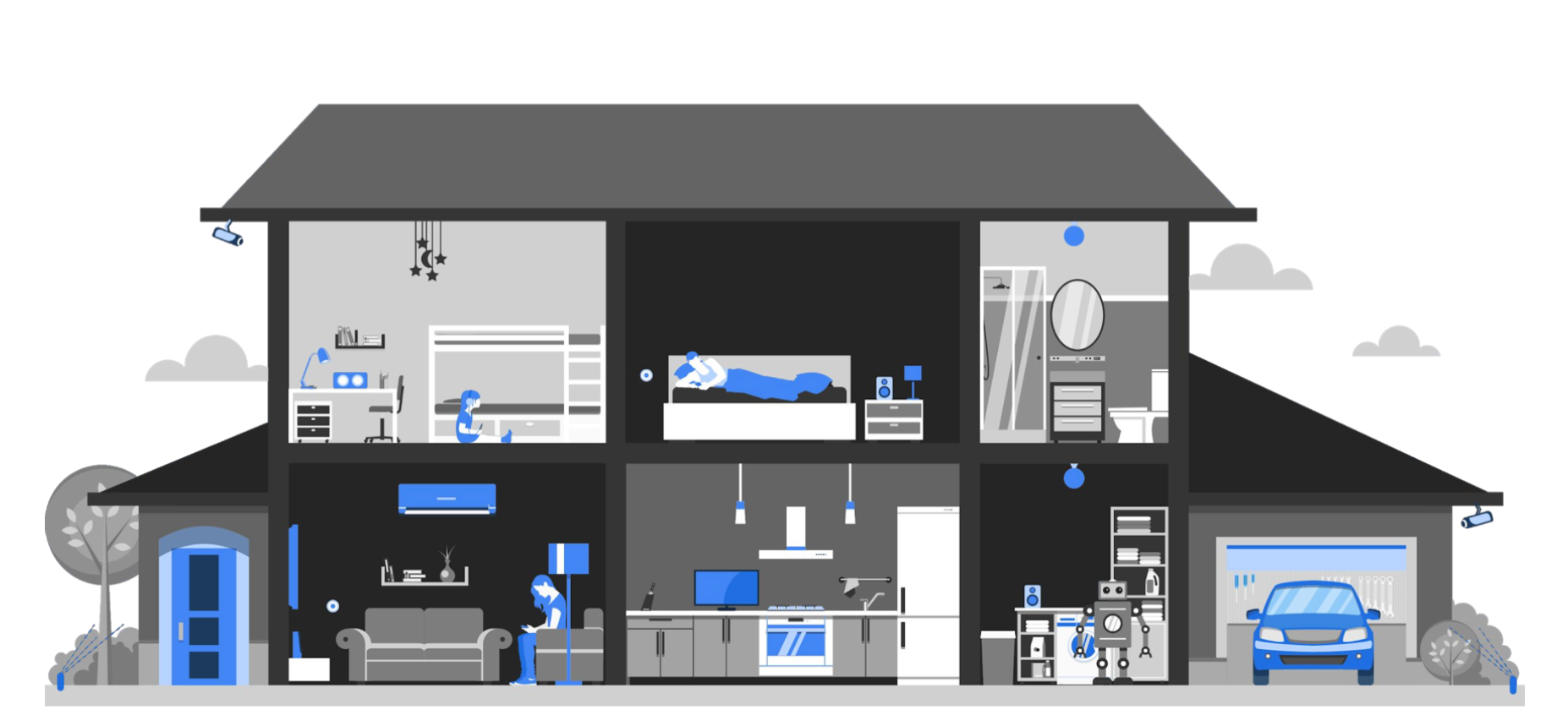 By 2025, there is expected to be 77.1 million smart homes in the country, according to Digital Market Outlook. These days we can talk to our refrigerators, lights, doorbells, locks, thermostats, vacuum cleaners — even our exercise machines.
A tricked-up smart home can cost tens of thousands of dollars, but for most people a much more modest setup can accomplish most of what they want. For investors in single-family rental homes, a house that offers some built-in modern conveniences is attractive to the millennial generation, which is the prime target market for their properties.
There are three areas that are the best candidates for upgrading to smart technology are a home’s lighting, its doorbell and the heating, ventilation and cooling (HVAC) system. Upgrading the lights, in particular, provides a layer of security as it allows a property owner to turn on lights with an app before getting out of the car.
“It can be very efficient and convenient, especially if it’s connected to an app,” “If you forget to lock your door, you can check your phone to do it.”
In addition, some apps will notify homeowners if there is somebody inside the house when they are not home, through motion-detector cameras. Smart doorbells with built-in cameras can monitor activity outside, and now that many people are having packages dropped off on the front porches, offer a layer of security if there is no one home when a delivery is made.
A property owner who invests in smart home technology will be able to attract tenants who are looking for a more modern property to live in. Younger generations, one of the prime target markets for single family rentals, are accustomed to doing just about anything they want on their phones, so allowing them to control their lights or thermostats remotely is a desirable amenity. Recommended Smart thermostat options include the Google NestLearning and the Ecobee SmartThermostat with voice control, which both sell for about $250. The lower-end Google Nest and the Wyze Thermostat cost about $50 each.
Automating some property functions can eliminate concerns about electricity usage or the worry that comes with trying to remember if you locked the front door. The benefits of smart switches, door locks, smoke and carbon monoxide detectors, garage door openers and the like include:
- Makes a home more secure by enabling remote activation of lights and locks.
- Reduces energy bills by using appliances more efficiently.
- Saves on heating costs through a programmable HVAC that accommodates a renter’s schedule.